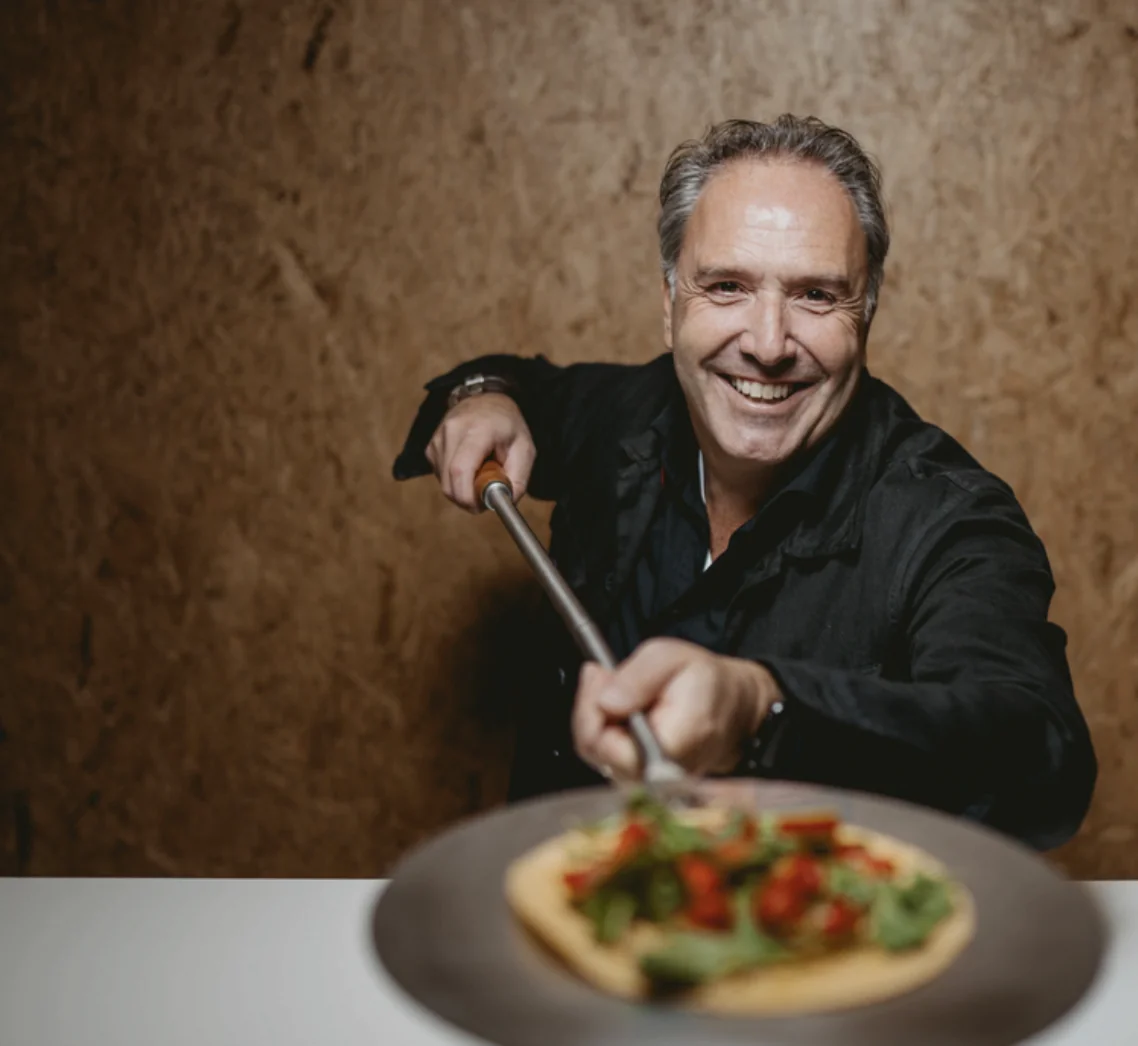
In this interview, we asked Dirk, Partner and Creative Director at Conceptional, to share his perspective on the evolution of smart and sustainable kitchens. From robotics and data-driven design to resource efficiency and environmental impact, he explains how technology is transforming back-of-house operations. What was once a futuristic idea is now a practical solution to the industry's biggest challenges—where automation, smart design, and sustainability are becoming core pillars of kitchen innovation.

Absolutely. Over five years ago, a revolutionary concept emerged from Boston, the Spyce Kitchen. It was a fast-food restaurant powered by robotic technology, capable of serving fresh, high-quality dishes in under three minutes. What made it stand out was the involvement of culinary experts like Michelin-starred chef Daniel Boulud and culinary innovator Sam Benson. Their expertise helped translate fine dining principles into an automated cooking experience, blending technology with culinary art in a way that was previously unimaginable.
The culinary landscape has continued to transform. Sweetgreen's acquisition of Spyce Kitchen was a pivotal moment, signaling a move to integrate robotic make-lines into mainstream foodservice. This innovation has inspired companies like Eatch, which is developing platforms that empower production kitchens and fast-casual restaurants with automation. Today, the demand for smart and sustainable kitchens is greater than ever, driven by challenges such as labour shortages, rising food costs, and increasing environmental concerns.
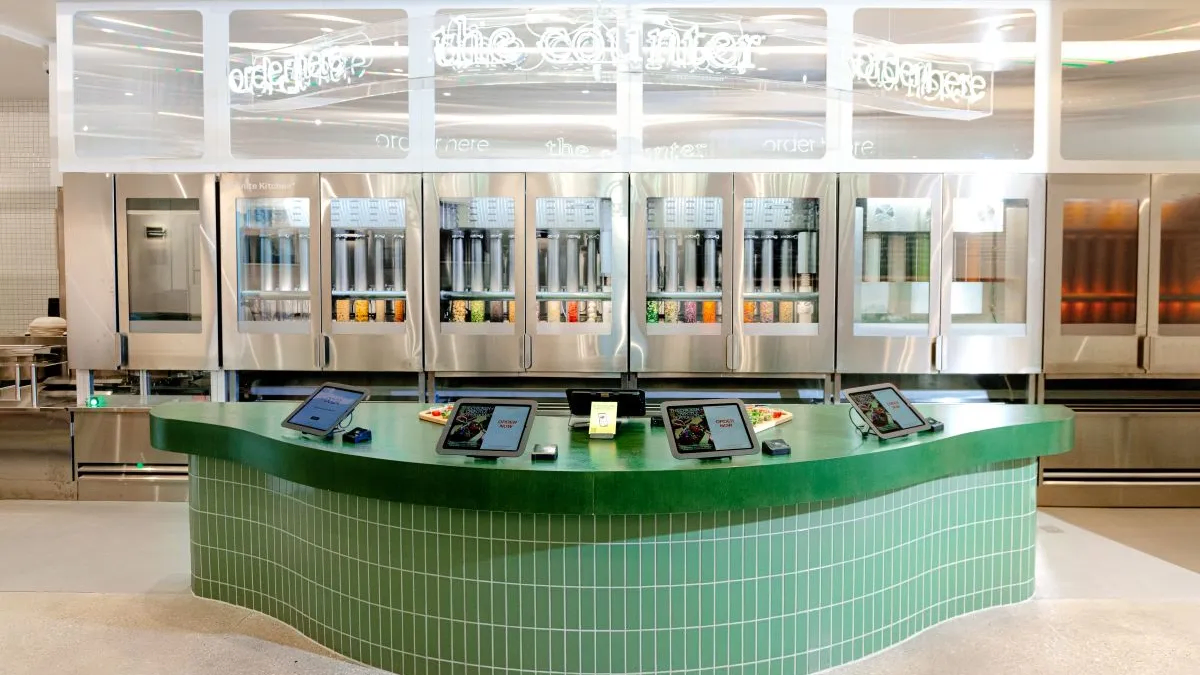
Source: Sweetgreen
A smart and sustainable kitchen is a combination of advanced technology and eco-friendly practices. It moves beyond traditional cooking methods by integrating smart appliances, automation, and data analytics. The goal is to optimise energy use, reduce waste, and improve operational efficiency. These kitchens incorporate responsible ingredient sourcing, comprehensive waste management, and water conservation measures, making them not only more efficient but also environmentally friendly.
Technology is at the core of smart kitchens. Imagine a space where appliances communicate with each other, sensors and IoT devices track inventory levels and energy consumption in real time, and software manages menu development and robotic cooking arms. Whether it's a fully automated robotic kitchen or a smart oven operating at peak efficiency, these advancements make high-quality, cost-effective solutions more accessible than ever.
Investing in a smart kitchen is about more than just automation—it redefines the culinary process. A great analogy is coding: a well-structured menu functions like a modular program, where dishes can be adapted and reconfigured with ease. This modularity allows restaurants to quickly respond to market demands or seasonal shifts without compromising quality or creativity. Additionally, smart kitchens process vast amounts of data to generate actionable insights. IoT-driven systems help managers optimise inventory, control costs, and enhance energy efficiency. Digital menu interfaces improve customer experiences by offering intuitive, customizable ordering options. In short, smart kitchens bridge the gap between culinary artistry and digital innovation, ensuring that every dish is both efficient and exceptional.
The foodservice industry is facing increasing economic and environmental pressures, making sustainable practices essential. Smart kitchens are designed to not only meet current market demands but also contribute to a more sustainable global food system. By reducing food waste, optimising energy use, and leveraging automation, they are setting new standards for operational efficiency and environmental responsibility.
Regulatory frameworks are also evolving, and consumer expectations are shifting towards sustainability. Businesses that embrace smart kitchen technologies now will have a competitive advantage in the future. The integration of these systems ensures compliance with emerging standards and positions companies as leaders in innovation.
There is a lot in the market nowadays, from small to big time. Within beverage systems, Marco is leading the way with their smart and stylish beverage systems found in coffee shops, offices and hotels. We always have a closer look at the established pizza chains in the world, for example digital-first Dodo Pizza, with technology figuring into all aspects of operations. Tigawok is a customer-front mini bowls concept in which they use like-minded technology to Eatch for preparing their food. Even in the fine dining scene you will find smart solutions like Nola, Helsinki's zero waste restaurant—they track every waste item and use their on-site machine which turns waste into fertiliser in just 24 hours.
At first, we have our Conceptional blueprint of sustainable kitchen design in which we show our clients what is high and low impact on sustainability. We measure this on, for example, cooling techniques and which type of cold resource and energy usage is needed for making impact. Linked to the sustainable kitchen design dashboard is our kitchen equipment library, in which we can make choices about type of equipment and needed capacity. The smart kitchen technologies are custom made, because the way of working and supply chain is a pivotal step in building up the kitchen design.
Smart and sustainable kitchens are a game-changer for the industry. They demonstrate how technology and sustainability can work together to create more efficient, environmentally conscious foodservice operations. From robotic cooking lines to intelligent data-driven management systems, the modern kitchen is becoming a hub of creativity and efficiency. For restaurants looking to future-proof their business, adopting these technologies isn't just an option—it's a necessity. This transformation is redefining the art of cooking while paving the way for a greener, more sustainable future.
The future of kitchen operations lies in integration—of intelligence, sustainability, and flexibility. As Dirk puts it, 'Smart and sustainable kitchens aren't just an option anymore. They're becoming a necessity.'